Pain & Injury


Back pain
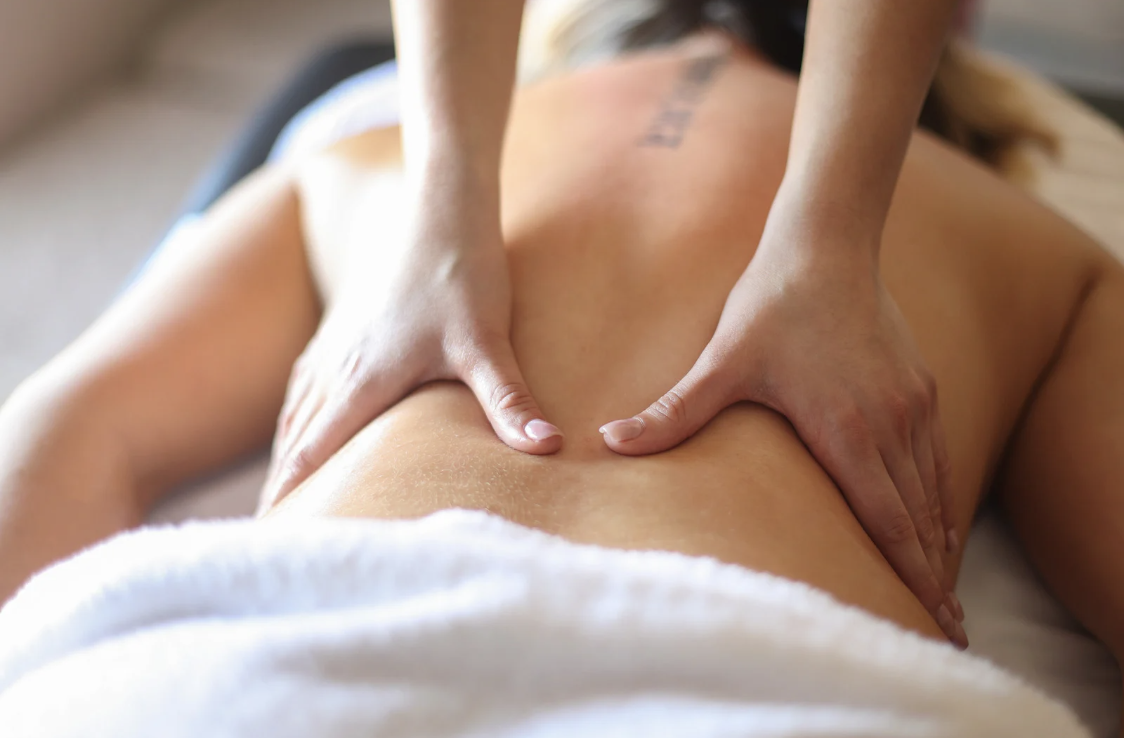
Back pain is one of the most common reasons people come to us, whether it's come on suddenly after a strain, or built up slowly over months at a desk, in the garden, or carrying children. Sometimes there's an obvious cause. Often there isn't.
How the three disciplines differ: physiotherapy is movement and exercise-led, building strength and mobility so the problem is less likely to recur. McTimoney Chiropractic uses a gentle, low-force, whole-body technique, quick and precise hand adjustments across the whole skeleton, not just the spine, rather than the higher-force thrusts sometimes associated with standard chiropractic, which is why it suits people who want an effective but gentler approach. Osteopathy takes a broader, whole-body manual therapy approach too, but looks more widely at how other areas of the body might be contributing to what you're feeling. All three can help, which one suits you often comes down to what's worked for you before, if anything has, and personal preference.
Not sure? Message us and we'll help you choose rather than leave you to guess.
Neck pain and stiffness
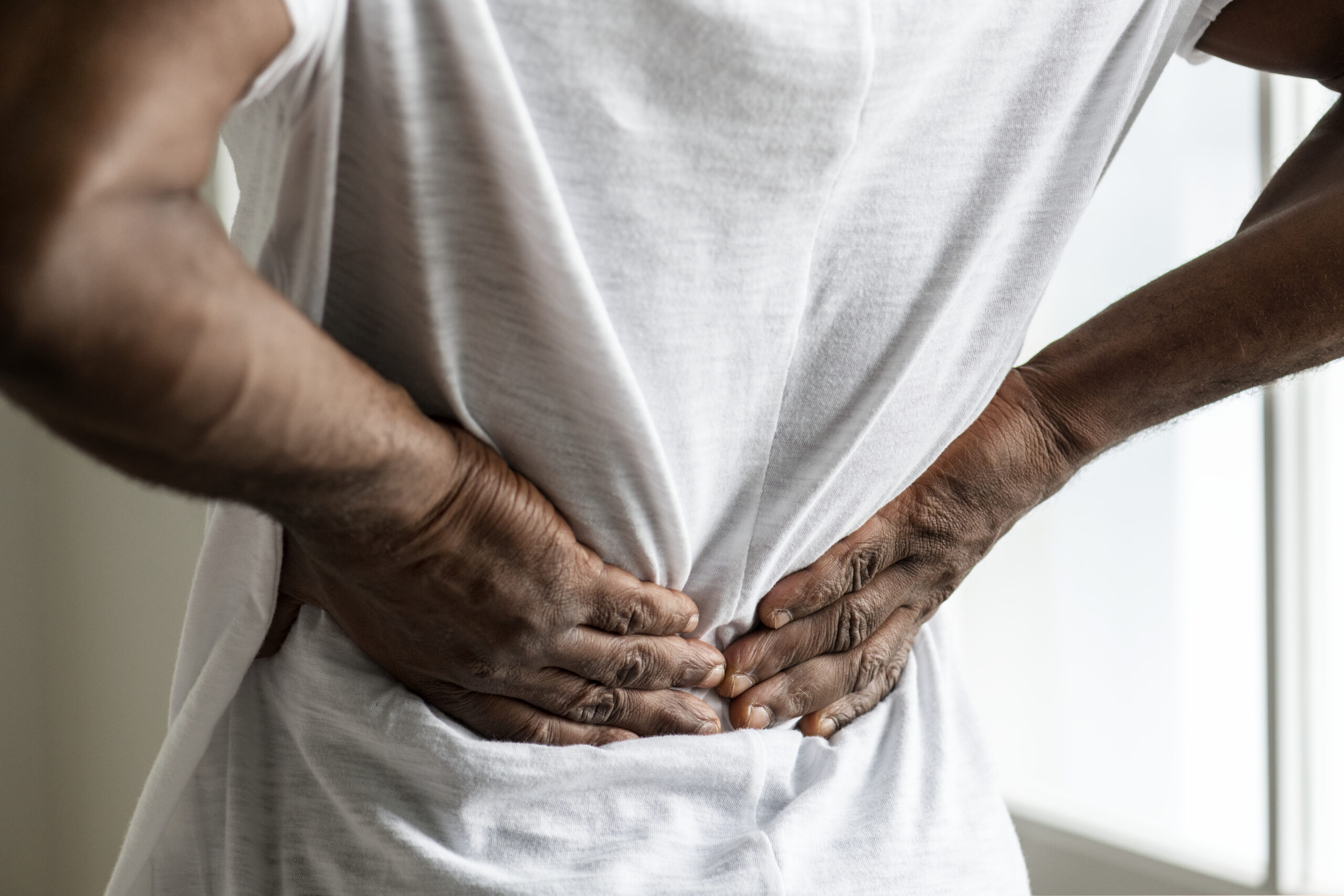
Often linked to posture, screen time or an old injury. The same three disciplines as back pain can help, see above for how they differ, and Advanced Clinical Massage can ease the muscular tightness that often comes with it.
Sciatica
Pain that runs from your lower back down into your leg, often linked to pressure on the sciatic nerve. Physiotherapy, McTimoney Chiropractic and osteopathy can all help, see Back pain above for how those three differ, and Advanced Clinical Massage can help ease surrounding muscle tension.
Joint pain (knee, hip, shoulder)
From wear and tear, an old injury, or overuse.
Tension headaches and migraines
Acupuncture can offer short-term relief from tension headaches and migraine, and massage can help ease the muscle tension that often sits alongside them.
Knee osteoarthritis
Acupuncture can offer temporary, adjunct relief from knee osteoarthritis pain, alongside physiotherapy-led exercise and movement support.
Whiplash
Following an accident, a fall, or a sudden strain.
Sports injuries
Sprains, strains, and the frustration of not being able to do the thing you love. Whether it's a one-off injury or something that keeps coming back, getting properly assessed early tends to mean a faster, more complete recovery.
Sports Therapy is geared specifically toward getting you back to sport or exercise, with rehab built around your activity and its physical demands. Physiotherapy takes a broader approach to injury and movement, useful if your injury isn't sport-specific or sits alongside other health concerns. Plenty of people see both, at different points in their recovery.